Kenilworth Castle & Elizabethan Garden Entry Ticket
- Entry ticket
- Mobile voucher
- Valid same day
- Free cancellation
Kenilworth Castle Tickets — Red Sandstone Ruins & Elizabethan Garden
Sandstone climbs toward open sky, history keeps its footing below.
Compare fares, pick the fit — all bookings are mobile-voucher and eligible for free cancellation where shown.
72 hr
Worth it for ruin-lovers and calm-seekers
Kenilworth Castle Tickets cost £15 at the gate for a standard adult, cheaper if booked online in advance, and for that you get a genuinely large site rather than a single building: the Norman keep, the shell of the Great Hall, Leicester's Gatehouse with its furnished interiors, and the restored Elizabethan Garden with its aviary and marble fountain. Spread across those sandstone ruins, the maths works out to a couple of pounds per major structure — reasonable by English Heritage standards for Warwickshire landmarks. The quieter atmosphere matters too; you can stand alone on the keep stairs at 10:00 in a way rival sites rarely allow. It pays off best for history-minded adults, walkers and photographers. It pays off least for anyone wanting scripted entertainment, since a Kenilworth Castle Tickets tour here is self-directed rather than performance-led. Members of English Heritage pay nothing, which changes the calculation entirely.
Bottom line: At £15 for a ruined keep, gatehouse and Elizabethan garden, Kenilworth Castle Tickets tickets are fair value for anyone happy to explore at their own pace.
Book Kenilworth Castle Tickets for atmospheric, uncrowded ruins and genuine history; choose Warwick Castle if your day is built around jousting shows and family entertainment, since most visitors doing both call Kenilworth the more authentic ruin experience.
|
Top pick Kenilworth Castle |
Warwick Castle | |
|---|---|---|
| Atmosphere | Quiet, romantic ruin, open skies | |
| Crowd levels | Light-moderate, even in summer | |
| Price | £15 gate (cheaper online) | |
| Family entertainment vs history focus | History-first, self-guided exploration | |
| Time needed | 1.5-2.5 hours | |
| Distance apart | — | |
| See tickets & prices |
Verdict: Kenilworth suits travellers who want ruins, quiet, and Tudor history without a script, while Warwick delivers a scripted, activity-packed family day at a higher price and busier pace.
Hand-picked experiences loved by thousands of travelers
Full day (self-paced entry)
Free Cancellation
Explore a 900-year-old royal fortress and its lavish Elizabethan garden, once built to woo a queen.
1, 2, or 3 days
Free Cancellation
One flexible pass, unlimited castles and Shakespeare sites — build your own Warwickshire adventure and save.
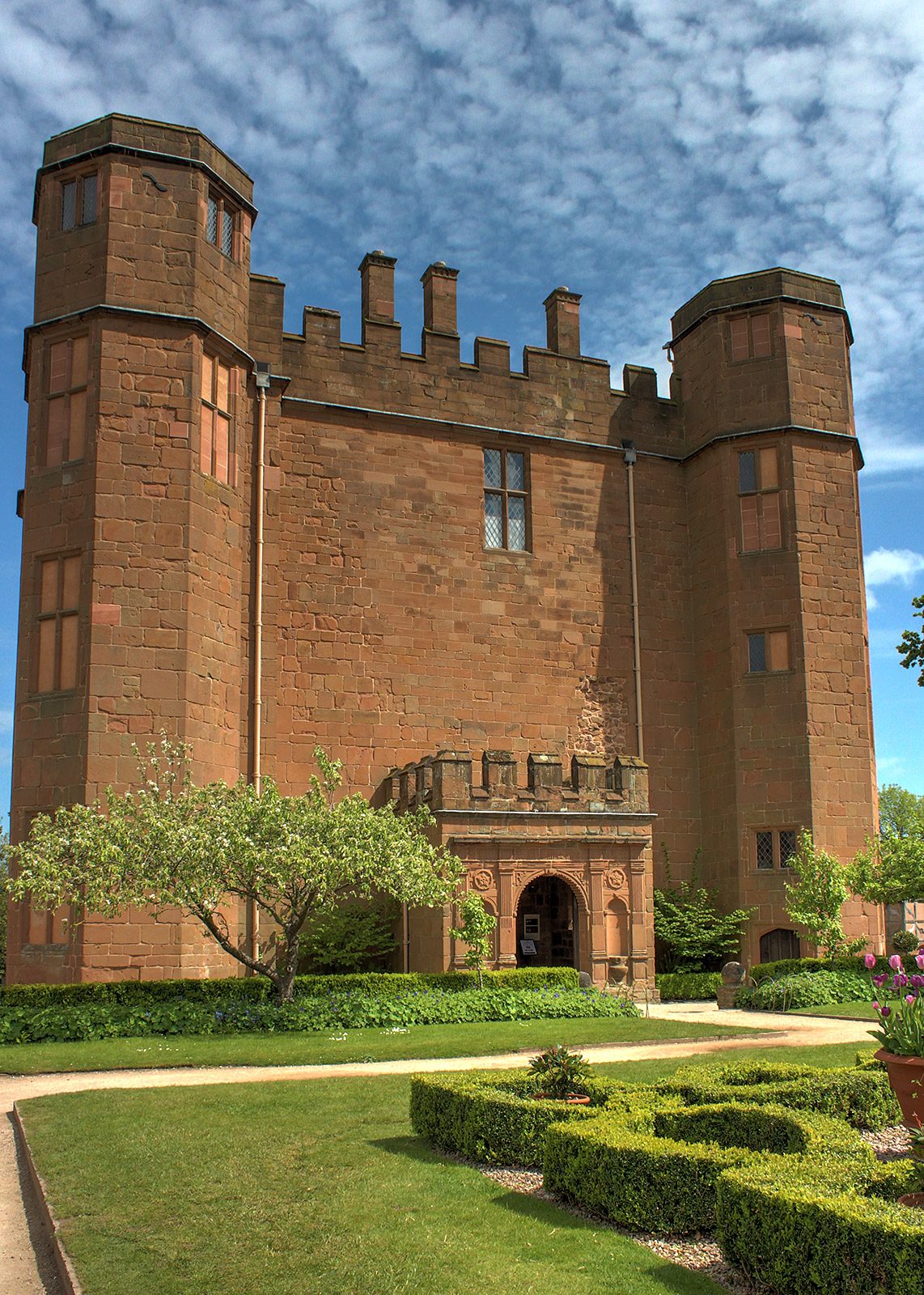
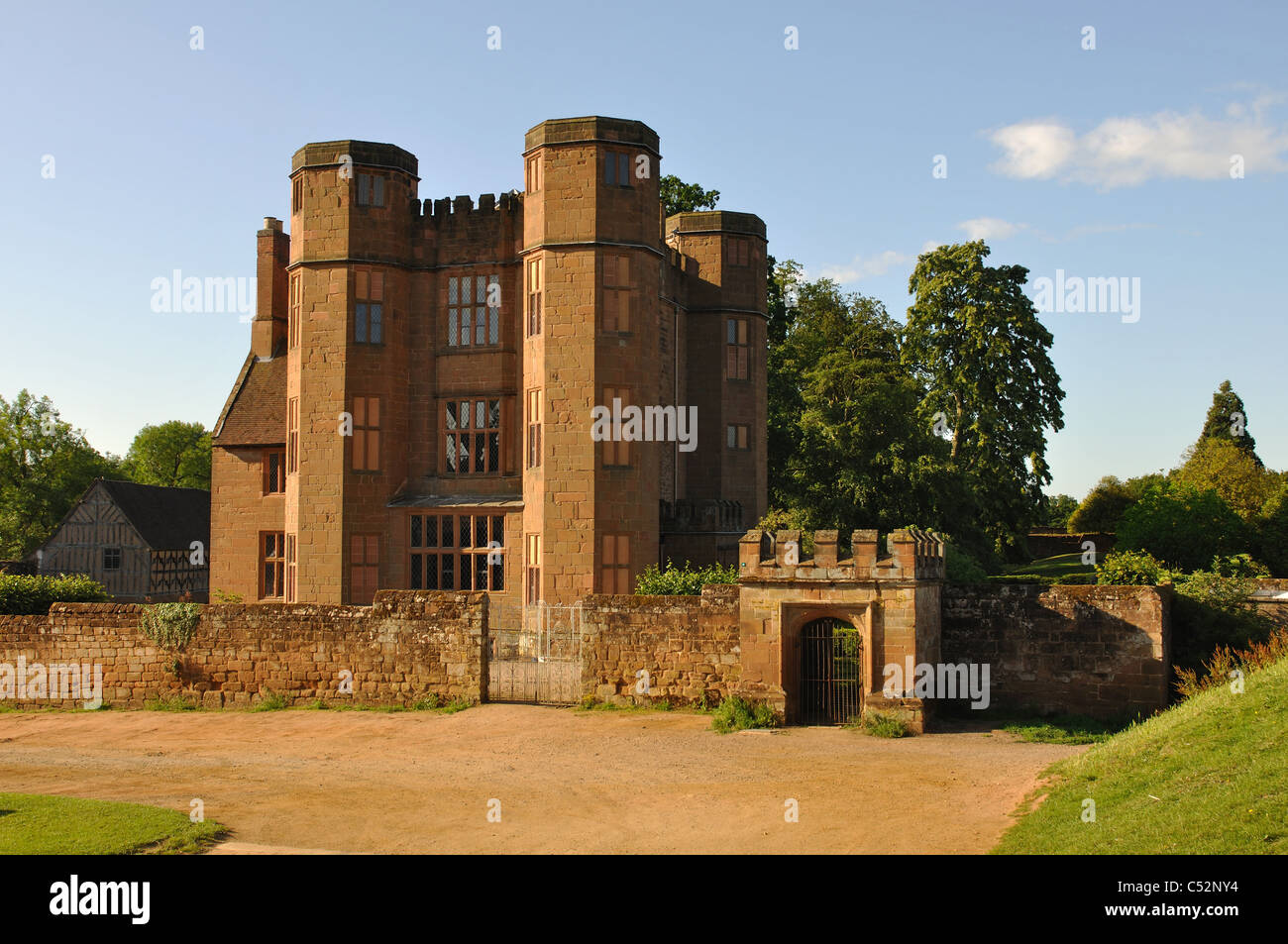
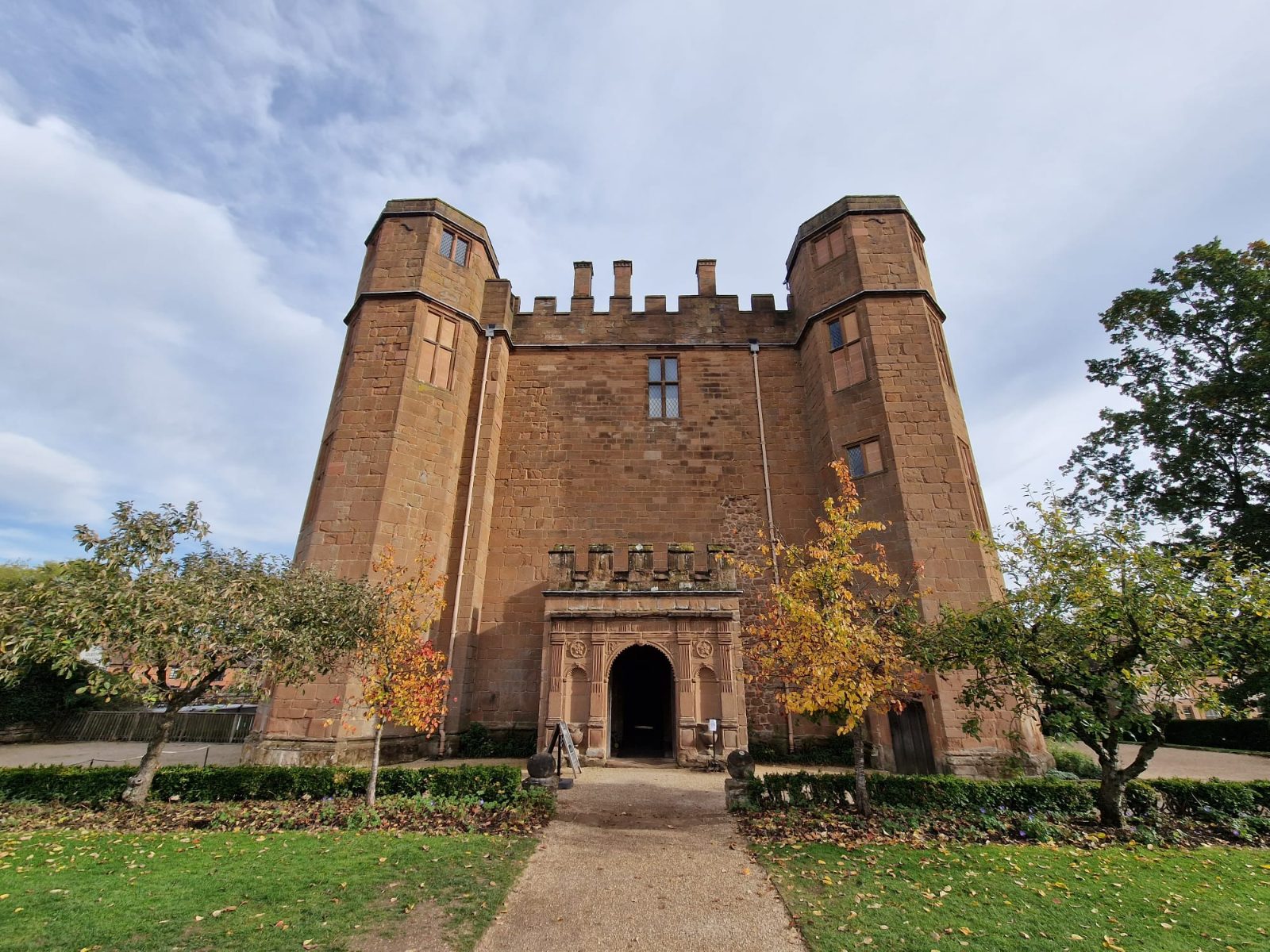
Enter through Leicester's Gatehouse, view the Robert Dudley and Elizabeth I exhibition upstairs, then pass the 16th-century stables.
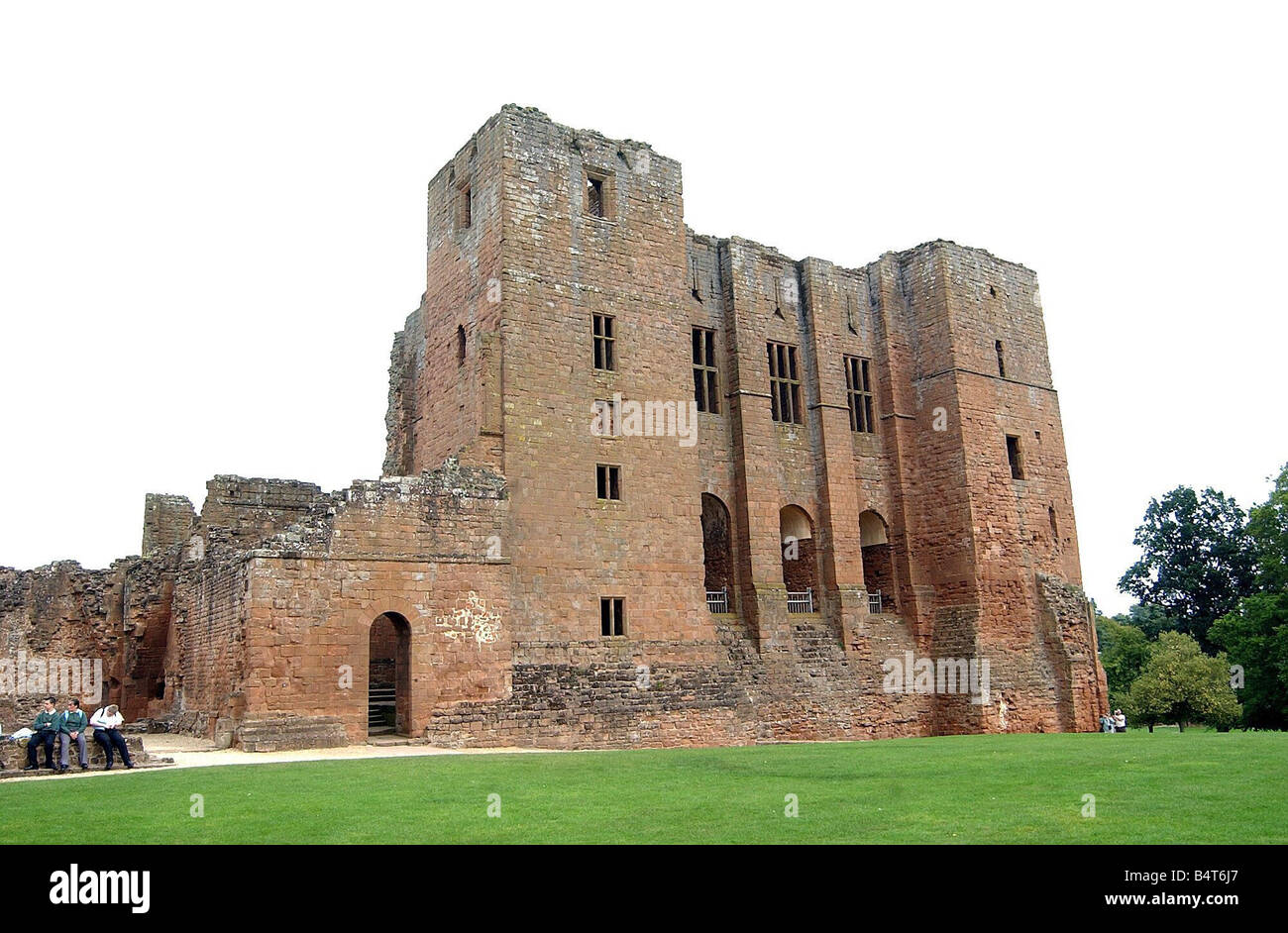
Climb the three-storey Norman keep dating to the 1120s, with 14-foot-thick walls and Tudor windows inserted later.
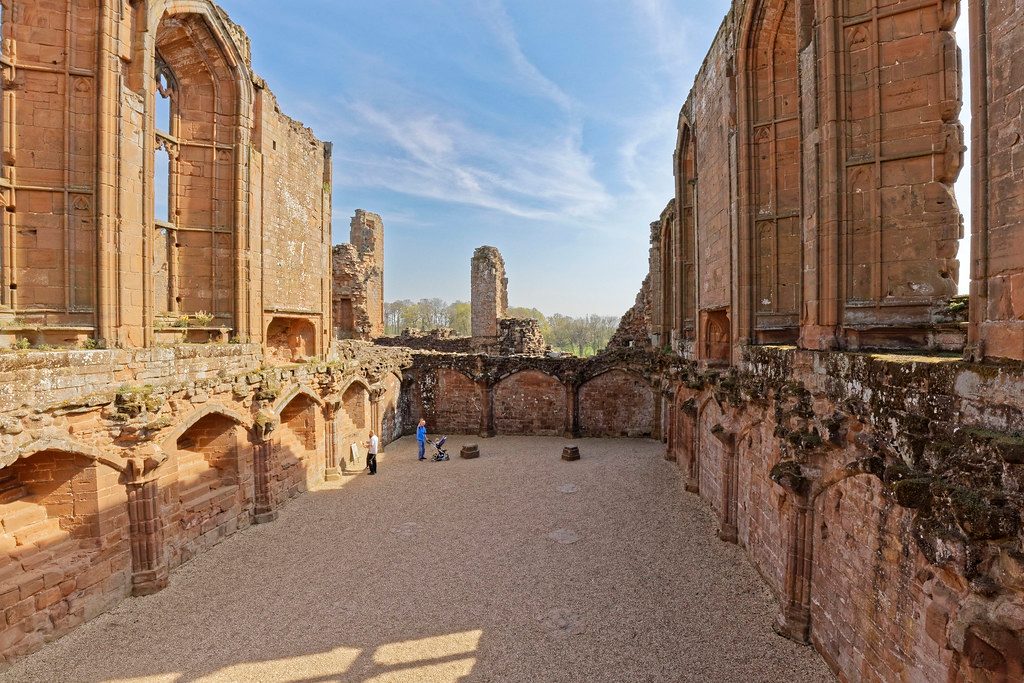
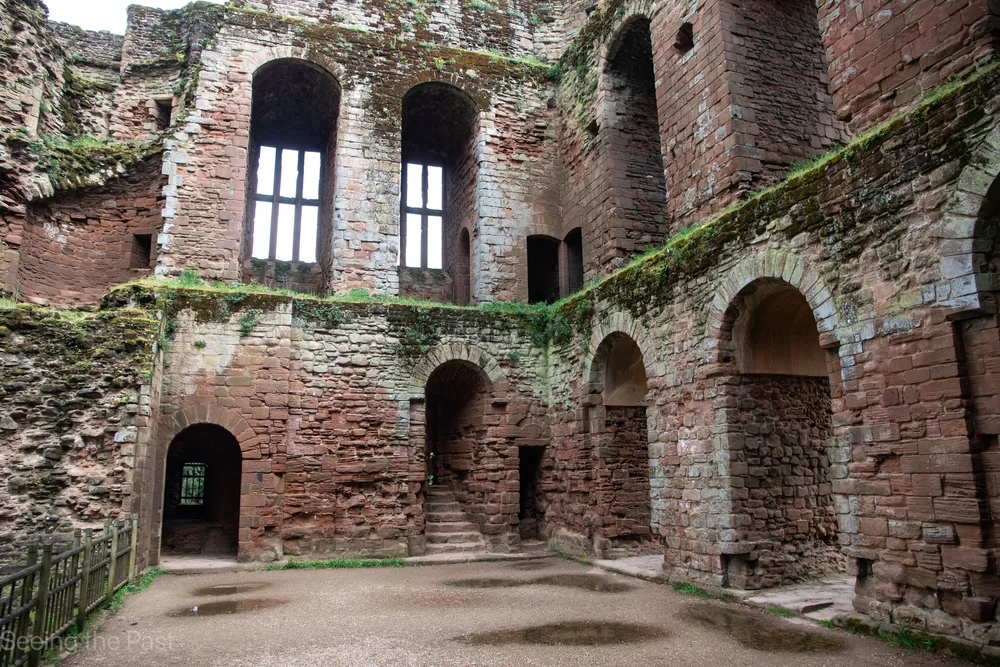
View John of Gaunt's 14th-century Great Hall from the undercroft, noting the lost roof and floor levels.
Climb the modern staircases inside Leicester's Building for views 18 metres above the site, reopened for the first time in 350 years.
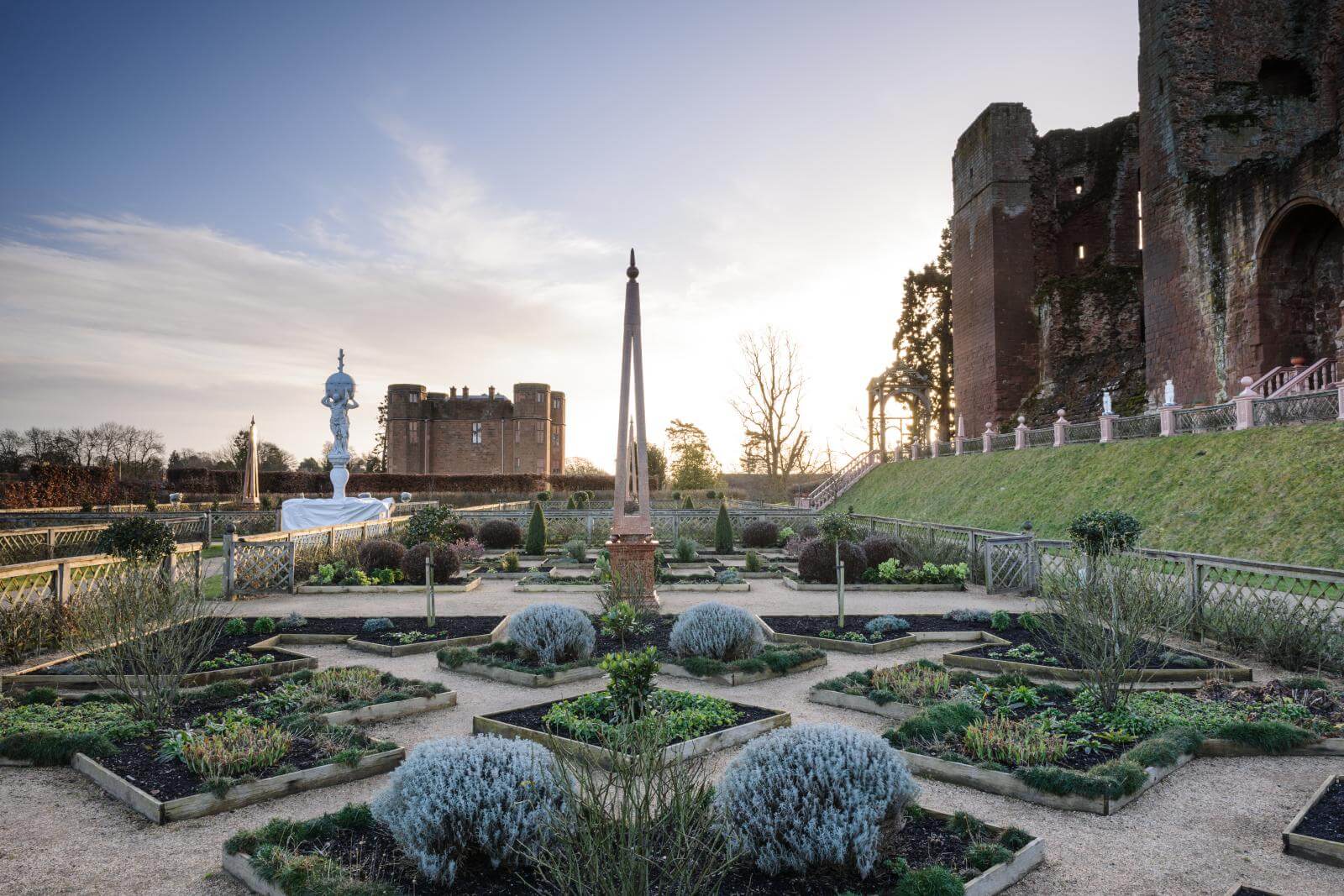
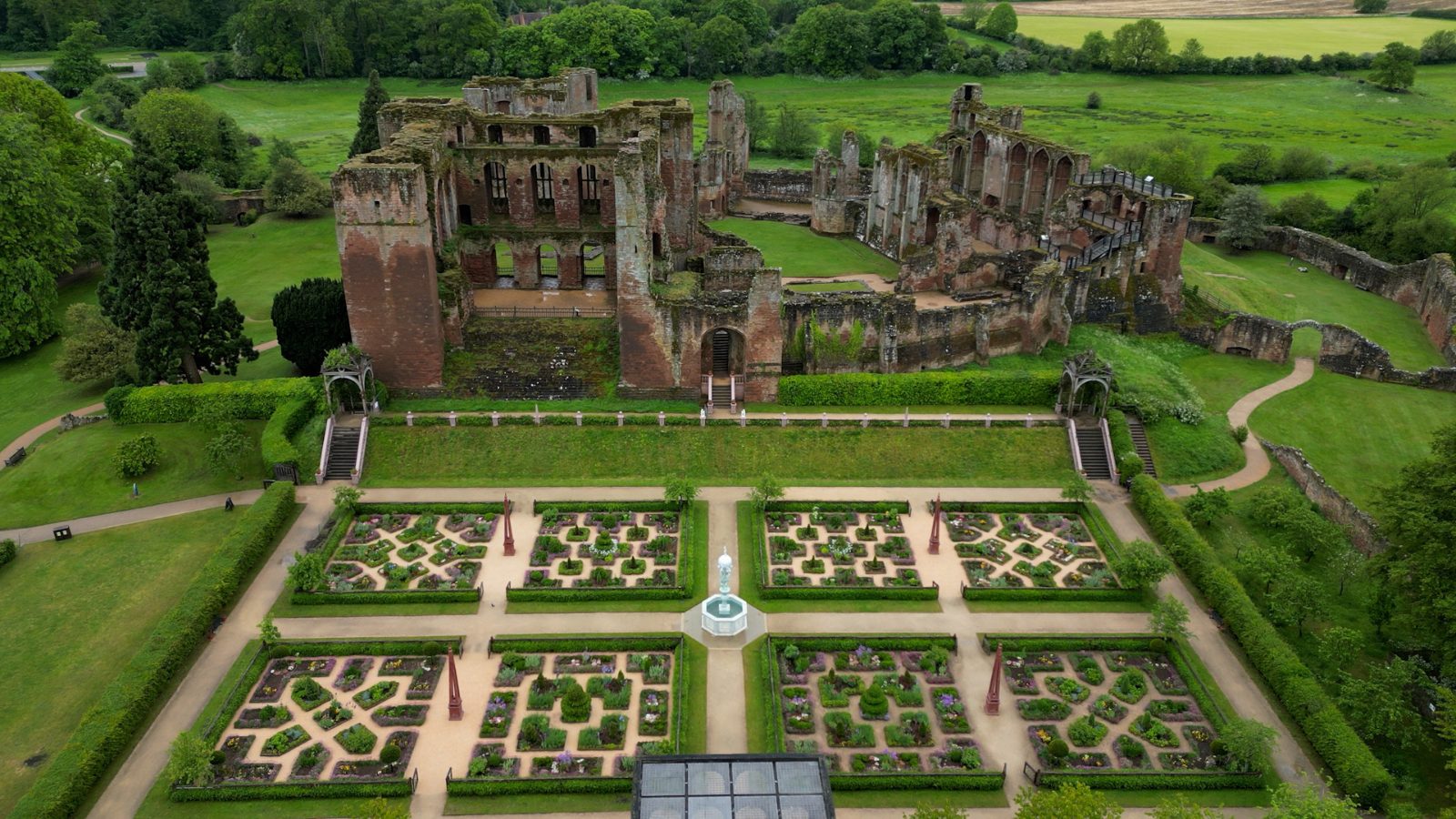
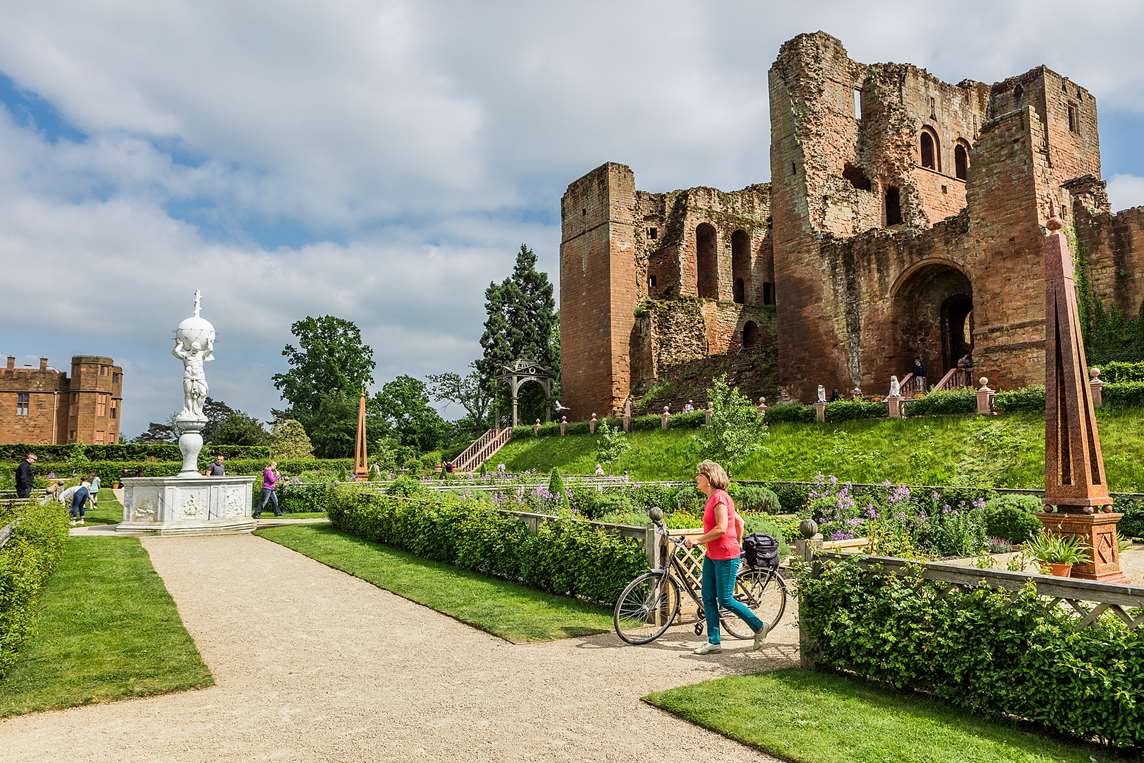
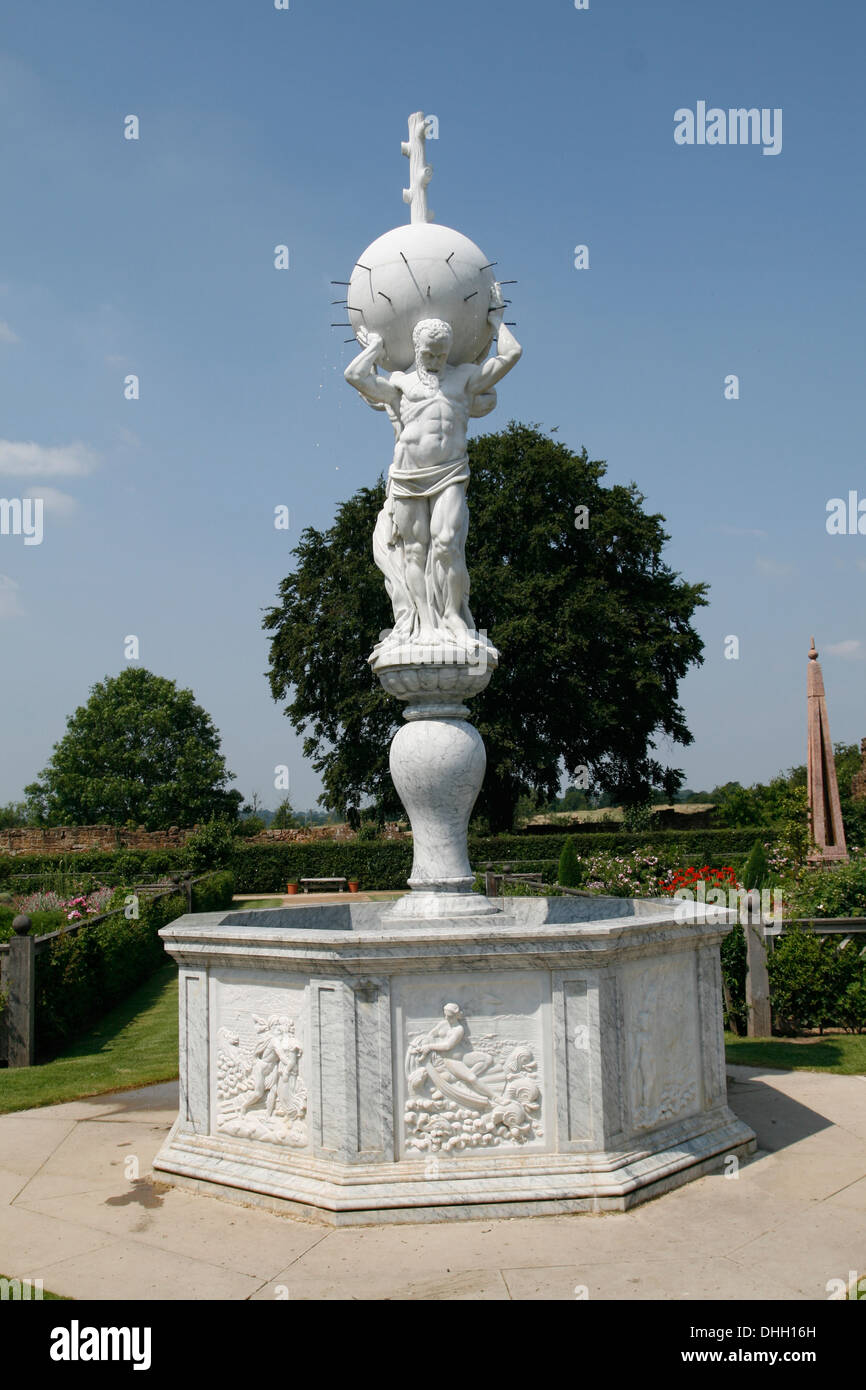
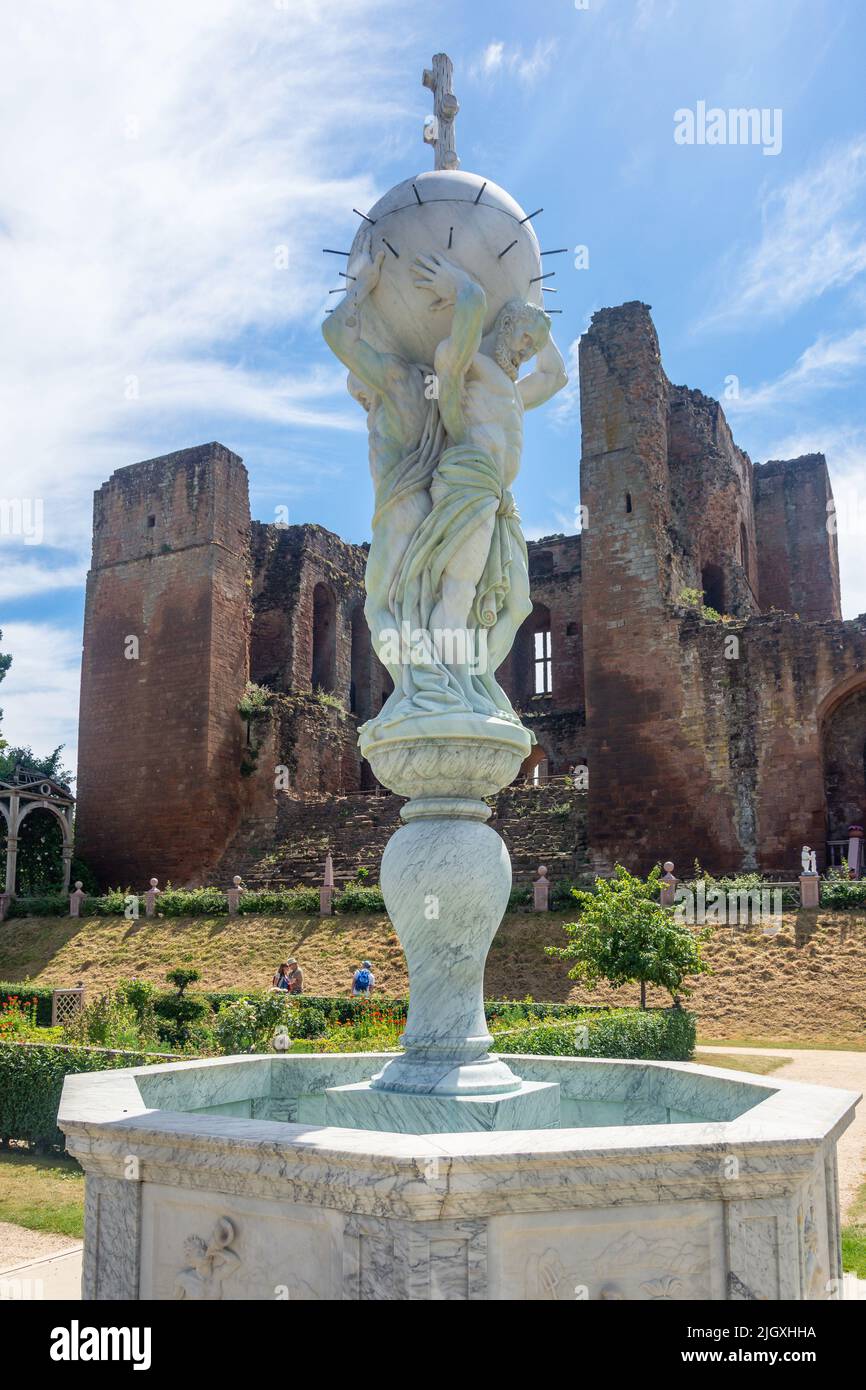
Walk the recreated 1575 garden, including the aviary and marble fountain, based on an eyewitness account by Robert Langham.
Finish with refreshments and home baking at the Stables Tearoom before heading back to the car park.
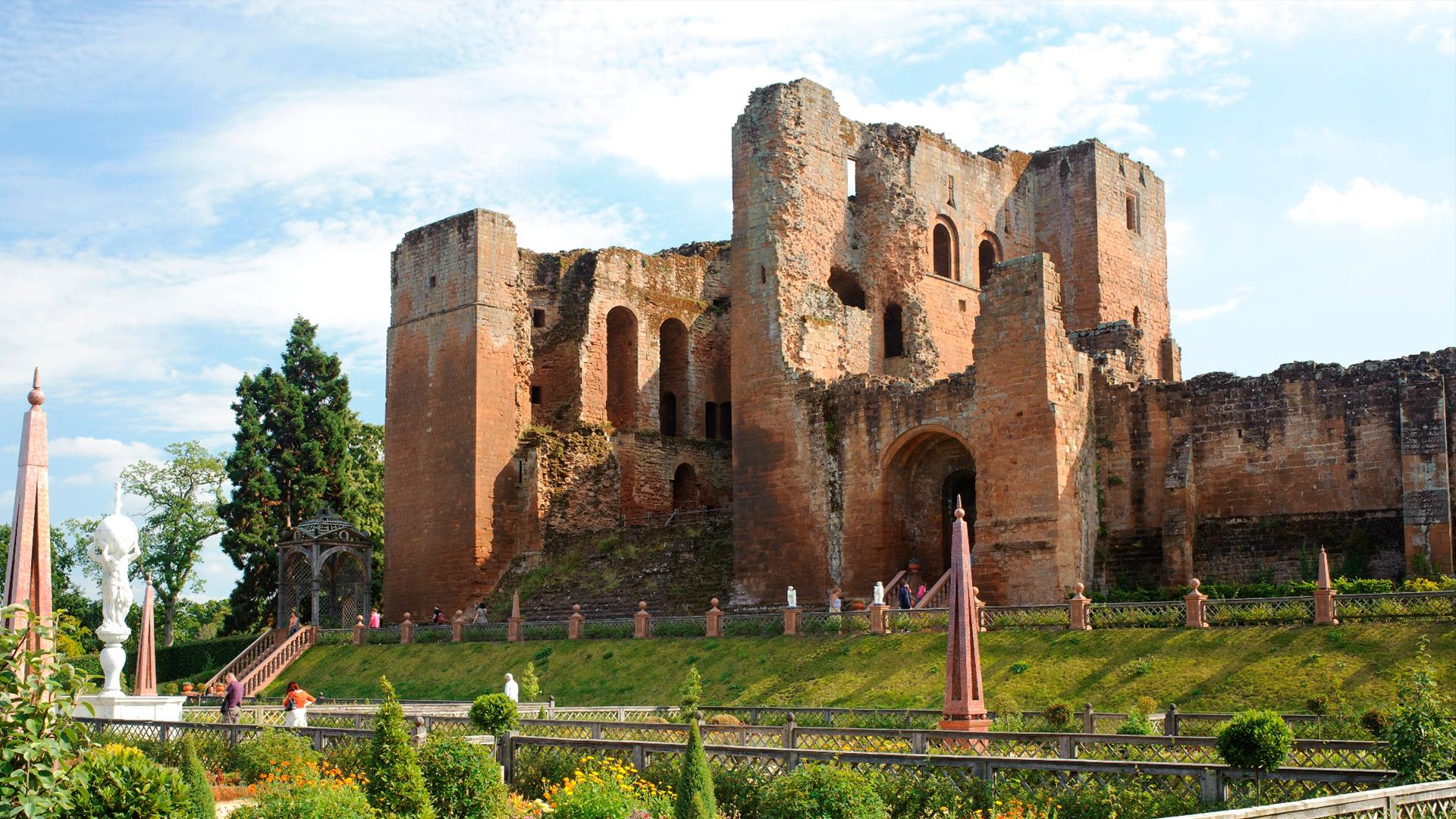
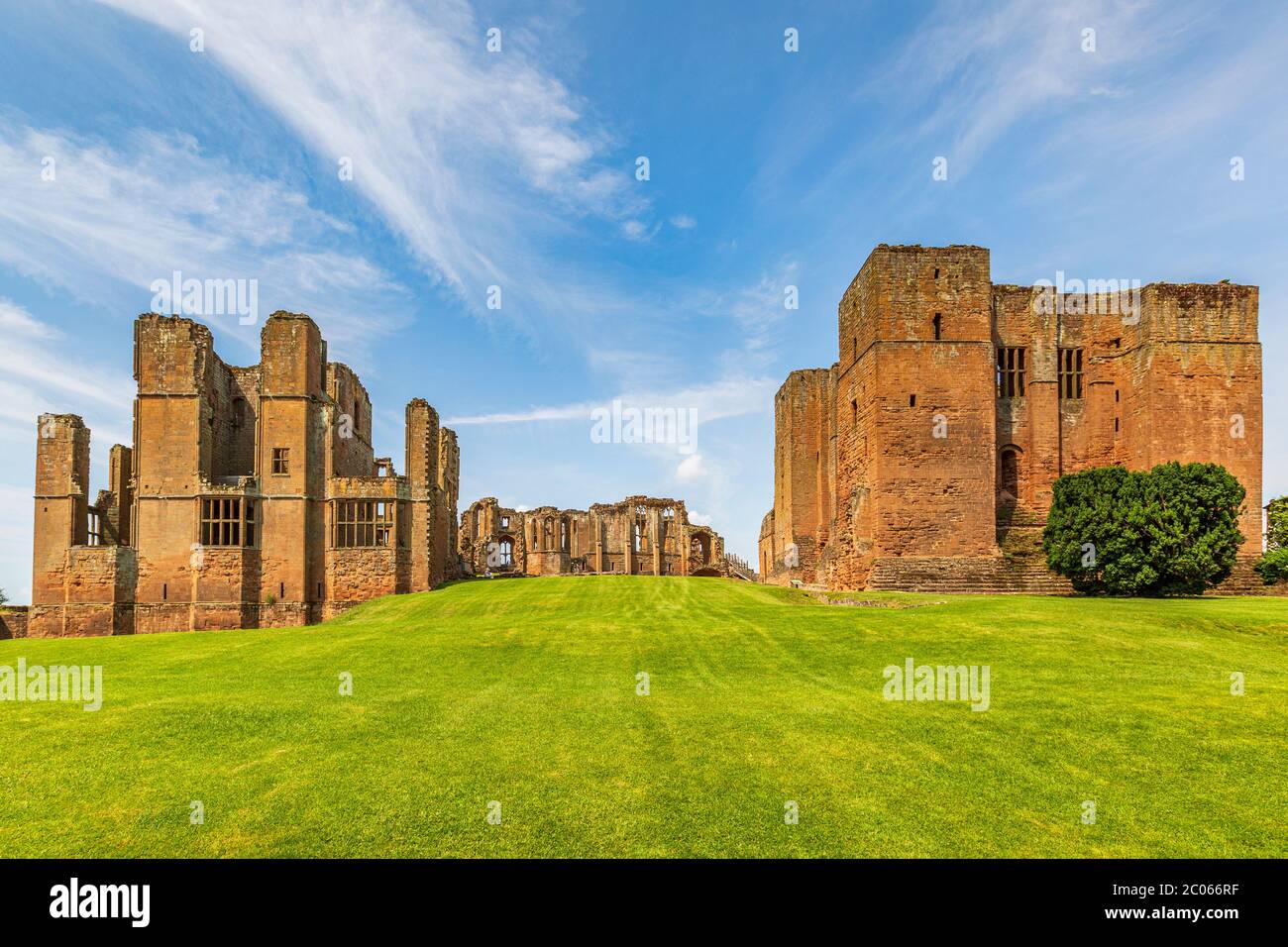
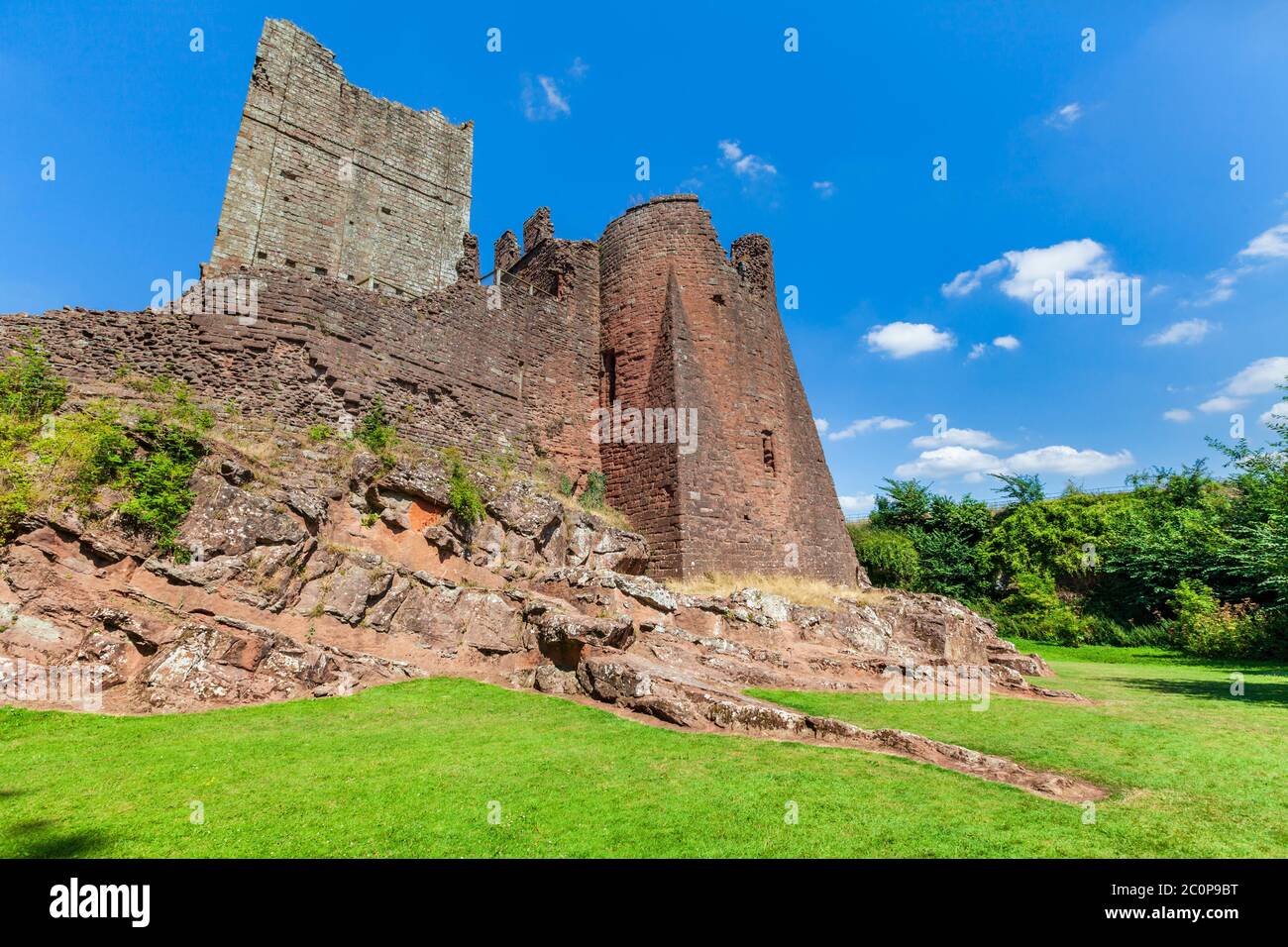
A three-storey stone tower dating from the 1120s with walls up to 14 feet thick, it formed the defensive heart of the castle for roughly 500 years. Later Tudor-era windows were cut into its original 12th-century Norman apertures.
Built by John of Gaunt in the 14th century, the Great Hall once hosted medieval banquets but has lost its roof and floor, so it is now viewed from the undercroft below. Its scale still reflects the grandeur of royal entertaining at Kenilworth.
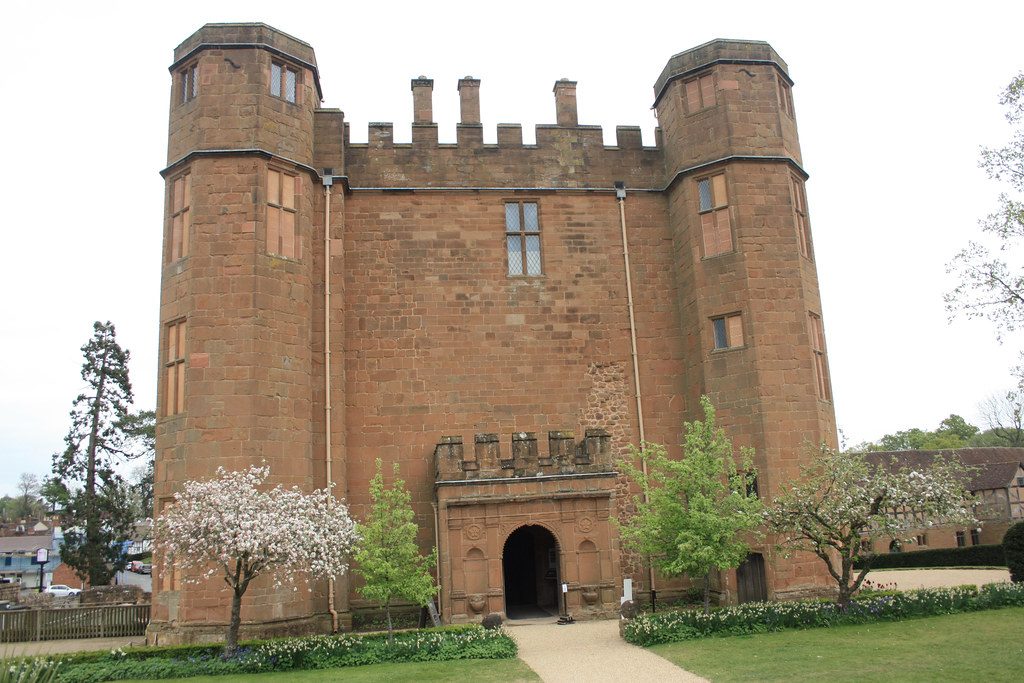
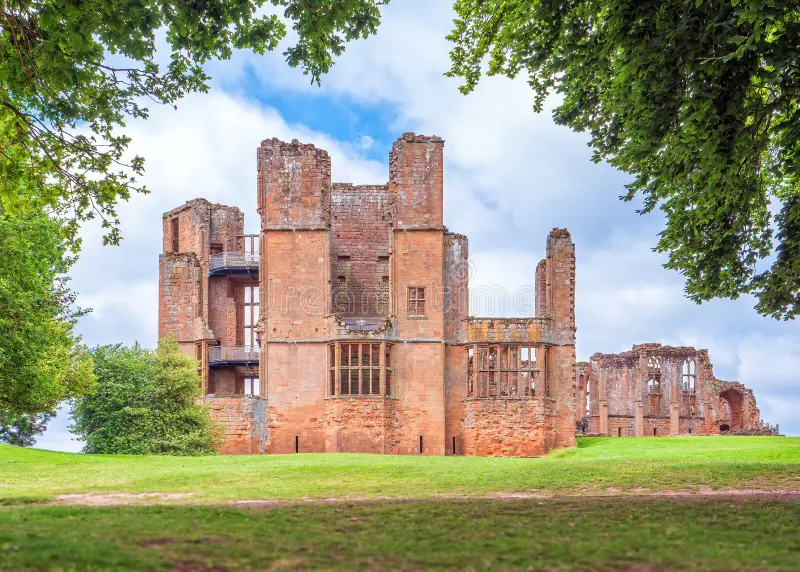
Constructed around 1571 to 1572 by Robert Dudley to impress Elizabeth I, this four-storey lodging featured thin brittle walls and large glazed windows uncommon for its era. New staircases opened in 2014 let visitors climb 18 metres for views unseen in 350 years.
Recreated in 2009 from a 1575 eyewitness letter by Robert Langham, the garden features an aviary, scented plant beds, and a marble fountain built to Robert Dudley's design. It was created specifically to entertain Elizabeth I during her three-week stay that year.
Built by Robert Dudley on the base court's north side, it was converted into a residence after the Civil War and now houses an exhibition on the Elizabeth and Dudley romance. Visitors can view the Elizabethan Bedroom and Oak Room with its alabaster fireplace.
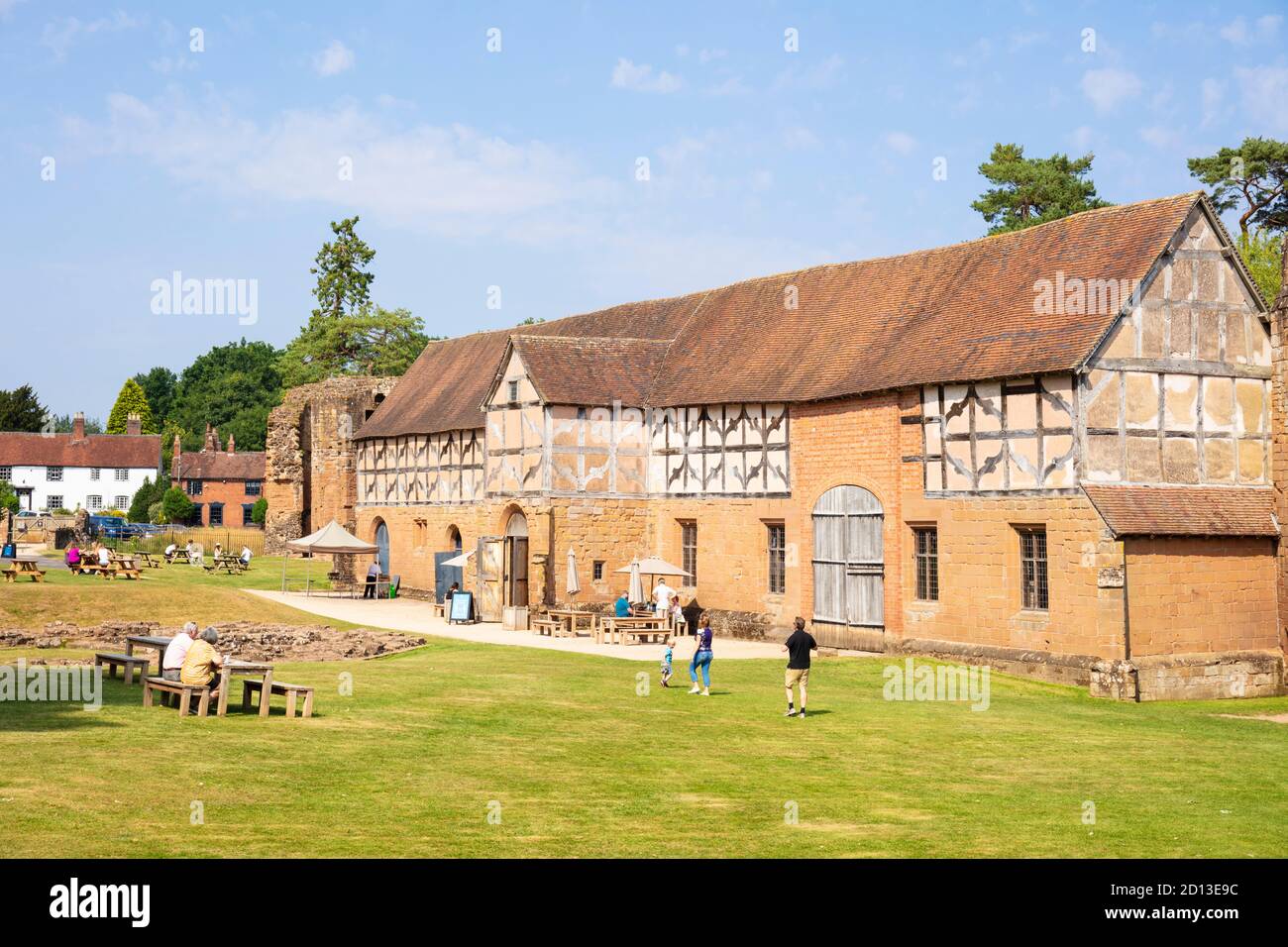
Built in 1553 for John Dudley, Duke of Northumberland, this stable block now houses the Stables Tearoom and a history exhibition. Its timber-framed upper storey remains largely intact after more than 450 years.
You arrive at Castle Green between 10:00 and 11:00, when the gates have just opened and the 11:00–14:00 crowd has not yet formed. The approach runs along the old causeway, where the water defences once lay. You cross it on level grass.
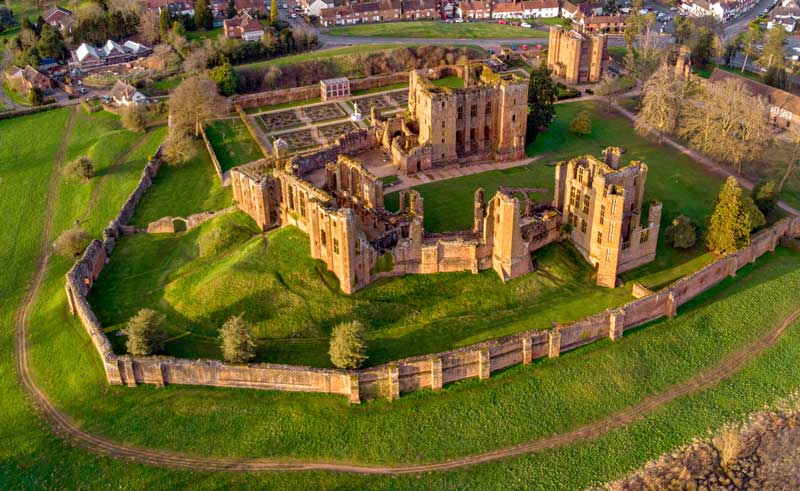
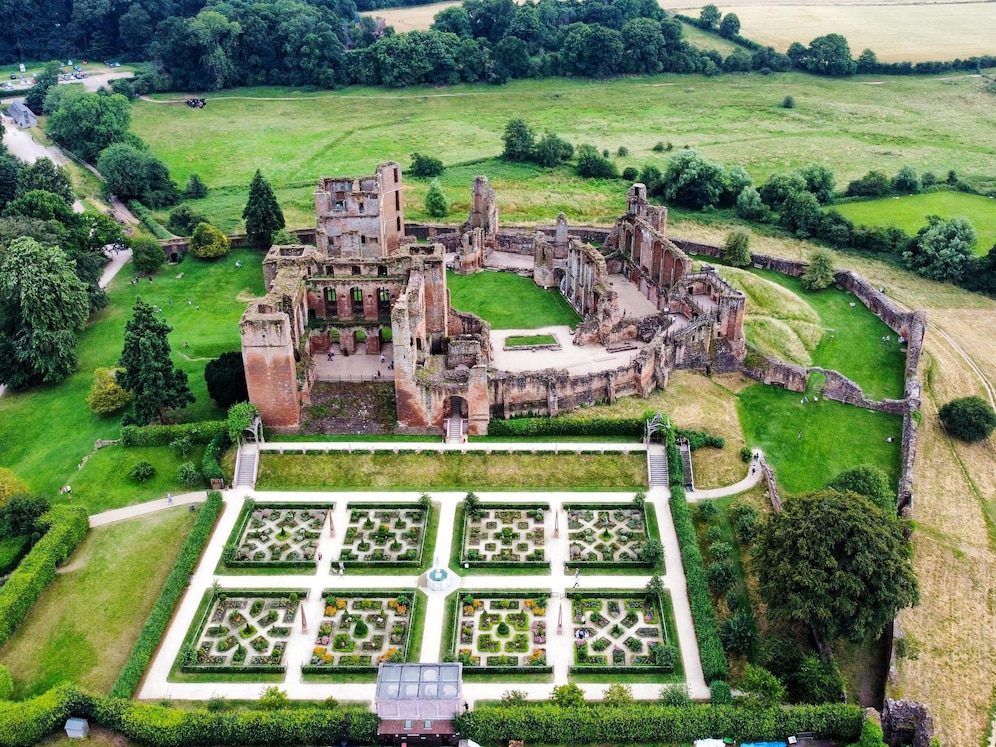
You pass through Leicester's Gatehouse first. Inside, panelled rooms hold displays and a carved chimneypiece bearing Dudley's initials. You climb the stairs, then step back out into daylight. Ahead, the Norman keep rises in two ragged halves, its north wall blown open. You walk the inner court, then take the timber staircase up the Leicester Building — around 60 steps in flights, with landings — and stop at the top platform. From here the whole plan reads at once: the keep, Gaunt's hall, the stables, and the green rectangle of the Elizabethan Garden below.
You come down and cross to that garden. You walk the gravel paths between the knot beds, stand under the aviary, and listen to the fountain. The scale is small and deliberate after the ruin's bulk. You circle back through the great hall, where the empty windows frame farmland to the west.
You finish on the lawn outside the walls, where most people sit before leaving. A Kenilworth Castle Tickets tour will have covered the same ground with commentary; alone, you set your own pace across the site.
All the details about your upcoming adventure in one place
Kenilworth Castle Tickets tickets open up one of England's largest castle ruins, with the Norman great tower, John of Gaunt's great hall and the restored Elizabethan garden all included in standard entry. Managed by English Heritage, the red sandstone site sits on the edge of the former Great Mere, and the gatehouse holds furnished period rooms and exhibition displays. A Kenilworth Castle tour rewards anyone curious about medieval siegecraft, Tudor architecture and Warwickshire landmarks.
The mere that once surrounded Kenilworth Castle covered roughly 100 acres, making it the largest artificial defence of its kind in medieval England. It was drained in the seventeenth century.
What remains is a plain of grass where water once held armies at bay, and a skyline of red sandstone standing against Warwickshire farmland.
The castle grew over five centuries. A Norman keep rose in the 1120s under Geoffrey de Clinton. John of Gaunt added a great hall in the 1370s. Robert Dudley, Earl of Leicester, remodelled the site in the 1570s and built a gatehouse and a tower to receive Elizabeth I. Those three phases sit side by side, unmerged, which is why architectural historians treat the ruin as a teaching site rather than a single monument. Visitors arriving on Kenilworth Castle Tickets are reading three buildings at once.
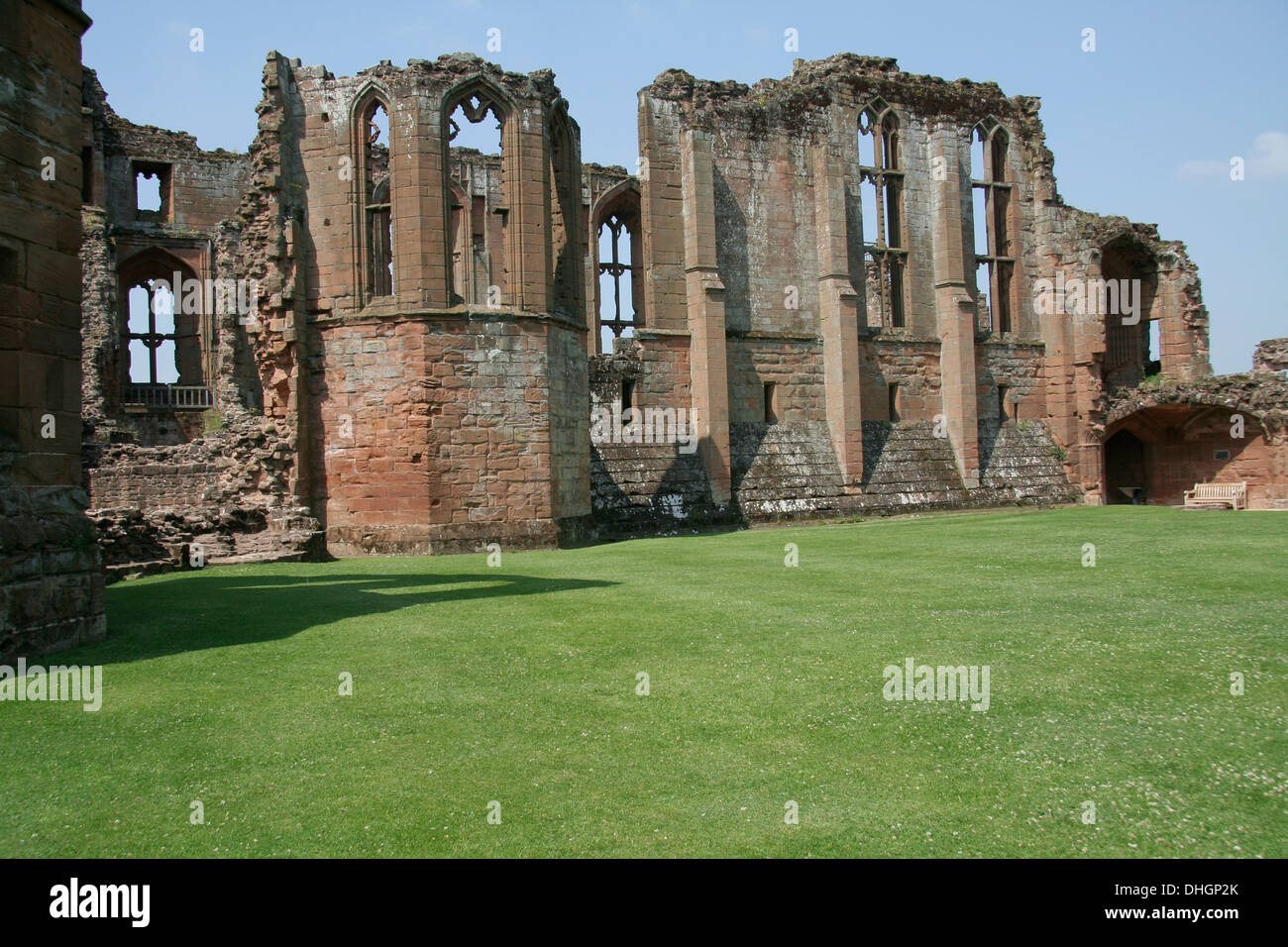
The stone itself is local. The warm red sandstone quarried nearby weathers into rounded edges and deep pockmarks, giving the walls their particular colour at low sun. Gaunt's great hall retains its window tracery and the springing of vaults that no longer exist. The Norman keep's walls run to about five metres thick at the base. The Leicester Building, by contrast, is thin-walled and window-heavy — a late Tudor statement in domestic comfort rather than defence, and a clear marker of the moment English castles stopped being fortresses.
The Elizabethan Garden below the keep was recreated by English Heritage after archaeological excavation, working from a 1575 eyewitness letter describing the original layout. It carries an aviary, a carved marble fountain, obelisks and knot beds. Few reconstructed gardens in Britain rest on documentary evidence this specific, and the result is one of the more instructive Warwickshire landmarks for anyone studying Tudor design.
The site matters today partly because it was never restored into habitability. Parliamentary forces slighted the castle after the Civil War, and the deliberate ruin froze the complex at a legible stage. Floors are gone; elevations survive. Sightlines run clean through what were once four storeys, and the interior logic of a great medieval household is visible from the lawn. Guided Kenilworth Castle Tickets tours tend to work outward from this fact — the collapse is the exhibit.
The ruin sits on Castle Green, off Castle Road, at the edge of a small Warwickshire town rather than in isolated countryside. That setting has kept it in continuous public use as parkland. Kenilworth Castle Tickets remain, in that sense, entry to a working piece of town geography as much as to a monument.

The collapse is the exhibit.
There is no formal dress code, but sturdy, flat shoes are strongly advised because the Norman Keep and Leicester's Building involve narrow, uneven spiral staircases and gravel paths. Warwickshire weather is changeable, so a waterproof layer is sensible even in summer, since much of the site, including the Great Hall ruins, is open to the elements.
Visitors may carry day bags and small backpacks through the gatehouse; there is no formal bag search on a typical day, though staff may ask to look inside larger bags during busy events. Lockers are not routinely provided, so anything not needed for the walk around the ruins and Elizabethan Garden is best left in the car.
Personal photography and phone photos are permitted throughout the ruins, keep, and Elizabethan Garden. Tripods and drones require prior written permission from English Heritage, and flash photography is discouraged inside Leicester's Gatehouse where historic fireplaces and fittings are on display.
Children's audio tours are included with admission, and a knights-and-princesses themed activity trail runs across the grounds. Prams can manage the main courtyard and garden paths but not the tower staircases.
The stables tearoom, shop, and much of the Elizabethan Garden are level and wheelchair accessible, with accessible parking near the entrance. The Norman Keep, Leicester's Building viewing platforms, and Great Hall undercroft involve steps and spiral stairs that are not suitable for wheelchairs or those with limited mobility.
The Stables Tearoom, housed in the 16th-century stable block built for John Dudley, serves hot food, daily specials, and home baking throughout opening hours. Visitors are also welcome to bring their own picnic and eat on the grassy areas of the outer court or by the mere.
Quiet, mostly local visitors
Quietest weekday
School group visits possible
Coach groups sometimes arrive
Busier, weekend families
Busiest day of the week
Opening hours
10:00–17:00 daily, last entry 16:30;location
Opening hours
10:00 – 17:00
Getting there
City-center access via metro and bus
Accessibility
Most experiences are wheelchair-friendly — check individual tours
What to bring
Comfortable shoes, water, phone for mobile voucher
Public transport · 20–30 min from Coventry · Bus fares from a few pounds
Take a train to Kenilworth station or a bus from Coventry or Leamington Spa to Kenilworth town centre, then walk around 20 minutes or use the local connecting bus to Castle Green.
Car · 10–20 min from nearby towns · Parking a few pounds per visit
Kenilworth sits just off the A46 and A452, roughly 10 minutes from Warwick and 15 minutes from Coventry, with a pay-and-display car park at the castle.
Taxi · 10–20 min · Metered fare
Taxis are readily available from Kenilworth town centre or Coventry railway station directly to Castle Road.
Bike · 10–15 min from town centre · Free, discount on entry
Cyclists can reach the castle via local cycle routes from Kenilworth town centre and receive a travel discount on entry when showing a helmet or bike lock.
Advance online bookings for Kenilworth Castle tickets can generally be changed or cancelled up to 24 hours before the visit date for a full refund, in line with English Heritage's standard admission terms. Standard gate entry is 15 GBP and is non-refundable once purchased on the day, though a cheaper rate applies when tickets are booked online in advance.
Recommended time
3-4 hours
Budget three to four hours for Kenilworth Castle Tickets covering the Norman keep, Great Hall, Leicester's Gatehouse and the Elizabethan Garden at an unhurried pace. Arrive at the 10:00 opening to claim the quieter 10:00-11:00 window before the 11am-2pm peak fills the keep and gatehouse stairs with queues. Trim toward the lower end if you skip the garden or move quickly through exhibits, and add extra time if you're joining a guided walk or lingering over Kenilworth Castle tours through the grounds. Last admission is 30 minutes before closing, so early arrivals get the fullest run of the day.
Crowd levels through the day
Weather · crowds · average price — dots go green to amber to red as each metric rises.
March to May brings mild temperatures around 10–15°C and blooming beds in the Elizabethan Garden, with smaller crowds than summer school holidays.
Advance online booking for Kenilworth Castle tickets is generally cheaper than paying the standard gate price of 15 GBP, and it guarantees entry on busy weekends.
Castle Green, Off Castle Road, Kenilworth, Warwickshire, CV8 1NG
Ticket collection and audio guide pickup point
Get directionsCastle Road, Kenilworth CV8 1NG
Pay-and-display, short walk to the gatehouse
Get directionsThe story begins around 1120, when Geoffrey de Clinton, chamberlain and treasurer to Henry I, founded a castle on a sandstone knoll in Warwickshire. His great stone keep followed within a generation. Henry II took the site into royal hands in 1174. King John spent heavily between 1210 and 1215, raising the outer curtain wall and damming the brooks to create the great mere, a defensive lake that would define the fortress. Visitors holding Kenilworth Castle Tickets still walk the causeway that crossed that water. That engineering was tested in 1266. Simon de Montfort the younger held the castle against Henry III for six months, in the longest siege in English medieval history. Trebuchets, siege barges and a papal excommunication all failed; hunger and disease ended it. John of Gaunt, Duke of Lancaster, transformed the fortress after 1361, building the great hall with its soaring windows — domestic grandeur rather than defence. Norman keep, Lancastrian hall and Tudor lodging still stand in sequence, and a Kenilworth Castle Tickets tour reads them as one continuous argument about power. Elizabeth I granted the castle to Robert Dudley, Earl of Leicester, in 1563. Dudley added a gatehouse, a stable block and a four-storey tower of glass, all intended to court the queen. In July 1575 he staged nineteen days of pageantry for her: fireworks over the mere, water pageants, hunting, a mechanical dolphin. She never married him. The Elizabethan garden he laid out has been reconstructed on its original terrace, and remains one of the more remarkable Warwickshire landmarks. Parliamentary forces slighted the castle in 1650, breaching the keep's north wall and draining the mere. The ruin stood open to weather and quarrying for two centuries. Sir John Siddeley bought it in 1937 and gave it to the nation; English Heritage has cared for it since 1984. Kenilworth Castle Tickets tours now reach the top of Leicester's Building via a modern viewing platform opened in 2014. Kenilworth Castle Tickets tickets grant access to keep, gatehouse and garden alike.
Geoffrey de Clinton founds the castle and begins the earthworks on the sandstone ridge.
King John funds the outer curtain wall and dams the brooks to form the great mere.
Simon de Montfort the younger withstands a six-month royal siege, the longest in medieval England.
John of Gaunt rebuilds the inner court, adding the great hall and state apartments.
Elizabeth I grants the castle to Robert Dudley, Earl of Leicester.
Dudley hosts the queen for nineteen days of pageantry, fireworks and water shows.
Parliamentarian slighting breaches the keep and drains the mere, leaving the ruin.
Sir John Siddeley buys the site and presents it to the nation.
Climb to the top of the four-storey Tudor gatehouse to Elizabeth I's former bedroom, where a modern platform frames wide shots over the Elizabethan Garden and the ruined keep beyond. This spot works for anyone booking Kenilworth Castle Tickets who wants one sweeping establishing shot of the whole site. Access is via a narrow spiral stair, so hold cameras steady on the landings.
Stand in the base court and shoot up at the great tower's huge corner turrets and thick red sandstone walls, a classic angle used on many Kenilworth Castle Tickets tours. Wide-angle lenses capture the full height against the sky.
The recreated marble fountain sits at the heart of the garden, framed by obelisks, box hedging, and the aviary behind it, echoing the display built for Elizabeth I's 1575 visit. Shoot from the raised terrace walk for a clean symmetrical composition.
The walk along the surviving curtain wall gives long diagonal lines toward the keep and gatehouse, good for a Kenilworth Castle Tickets tour recap shot. Footing is uneven in places, so watch your step near the wall edge.
John of Gaunt's roofless hall has tall Perpendicular-style window frames that let shafts of light fall across the stone floor. Position yourself near the undercroft entrance and shoot toward the empty tracery for a dramatic silhouette.
Kenilworth Castle Tickets suit families who don't mind trading playgrounds for ruins to scramble over, dressing-up trunks, and wide grassy grounds to run off energy. It works best when you treat the ruins and gardens as separate chapters of the day rather than one continuous walk.
Start in the stables exhibition and try on armour before little legs tire, then move to Leicester's Gatehouse and the keep, saving the Elizabethan Garden as a calmer wind-down stop with benches and open lawn.
Pushchairs cope with the garden's compacted gravel paths but struggle on the uneven ruin floors and steep grassy embankments, so plan to park the pushchair near a wall and carry younger toddlers through the keep.
Kids aged five to twelve tend to get the most from a Kenilworth Castle Tickets tour, since they can manage the steps and slopes independently and enjoy hide-and-seek among the ruins, while under-fours need close supervision near drops.
Collect the free children's audio tour, included in admission, from the visitor centre and let kids lead the route themselves between the stables, gatehouse, and garden.
Baby-changing and unisex toilets are in Leicester's Gatehouse, with a lift to upper floors, and the Stables Tearoom offers highchairs and child-friendly light lunches.
Watch for steep, unfenced embankments and partial walls around the ruins, especially if children like to run, and keep an eye on drops near the tower stairs.
Real experiences from real travelers
We arrived late afternoon and the red stone had gone properly orange in the low sun. Kenilworth Castle Tickets were easy to sort on the day, and the scale of the Great Tower only really lands once you are standing under the broken wall. Wear proper shoes, the grass slopes are uneven.
Walking up from the car park you get the whole silhouette at once and it is genuinely large for an English ruin. The Elizabethan Garden with its aviary and fountain was the surprise for me. Bring water, there is very little shade on the lawns in summer.
The climb to the viewing platform in the keep is worth doing even in drizzle, though the wind up there was fierce. Signage explaining the Norman keep and the later Tudor additions was clear and not overwhelming. We picked up our Kenilworth Castle Tickets tickets at the gatehouse desk without any fuss.
Went on a warm July evening and the whole place had that soft amber colour photographers talk about. The ruined Great Hall windows frame the sky beautifully from below. One of the better Warwickshire landmarks we visited on this trip.
Far fewer people than we expected on a spring weekday, which made wandering the roofless halls feel almost private. The stonework detail on the surviving arches rewards slowing down. Kenilworth Castle Tickets covered the garden and the gatehouse exhibition too.
Frost on the grass and mist over the old mere basin made the ruin look enormous. The stairs inside the tower are steep and a bit slippery when damp, so take your time. Good audio content on the Kenilworth Castle Tickets tour we joined.
The red sandstone against wet leaves in November was a good combination, if a rather grey day overall. Some parts of the upper walkways were closed off, which was slightly disappointing. Still, the sheer footprint of the site kept us busy.
You can see how the mere once wrapped the whole castle when you stand on the causeway. We did one of the Kenilworth Castle Tickets tours and the guide pointed out masonry joins we would have walked straight past. The gatehouse rooms are small but nicely presented.
Arrived around six on a hot day and had the garden almost to ourselves as the light dropped. The carved fountain and timber obelisks are reconstructions but done convincingly. Easy walk from Kenilworth town centre if you prefer not to drive.
Late January was bleak and much of the appeal is outdoors, so we were soaked within half an hour. The castle itself is impressive and the keep gives shelter of a sort. I would come back in warmer months.
Everything you need to know for your journey
Kenilworth Castle is open daily from 10:00 to 17:00, with last entry at 16:30.
Standard adult gate admission for Kenilworth Castle Tickets is 15 GBP, though booking online in advance is usually cheaper than paying on the day.
Yes, last entry is 30 minutes before the daily 17:00 closing time, so latecomers should plan to arrive well before then.
Kenilworth Castle Tickets tours suit wheelchair users on the level garden paths, stables, and exhibition areas, but the Norman Keep and Leicester's Building involve stairs that are not wheelchair accessible.
Drones and tripods without prior permission, open flames, fireworks, weapons or replica weapons, and bicycles inside the ruins are all prohibited on-site.
Personal photography is welcome throughout the ruins, keep, and Elizabethan Garden; only drones and tripods require advance written permission from English Heritage.
Weekday mornings in spring and autumn tend to be quieter than summer weekends, and arriving in the 10:00–11:00 window at Kenilworth Castle helps beat the 11am–2pm peak.
There is no formal dress code, but sturdy flat shoes are strongly recommended for the uneven ruins and spiral staircases.
Visitors can eat at the Stables Tearoom, which serves daily specials and home baking, or bring a picnic to enjoy on the grounds.
Kenilworth Castle sits just off the A46 and A452 with an on-site car park, and can also be reached by bus or train to Kenilworth followed by a short walk or connecting bus to Castle Green.
Yes, Kenilworth Castle Tickets tours include children's audio guides and an activity trail, making it a practical family day out, though tower staircases are unsuitable for prams.
Advance bookings can typically be changed or cancelled up to 24 hours before the visit date for a full refund under standard English Heritage terms.
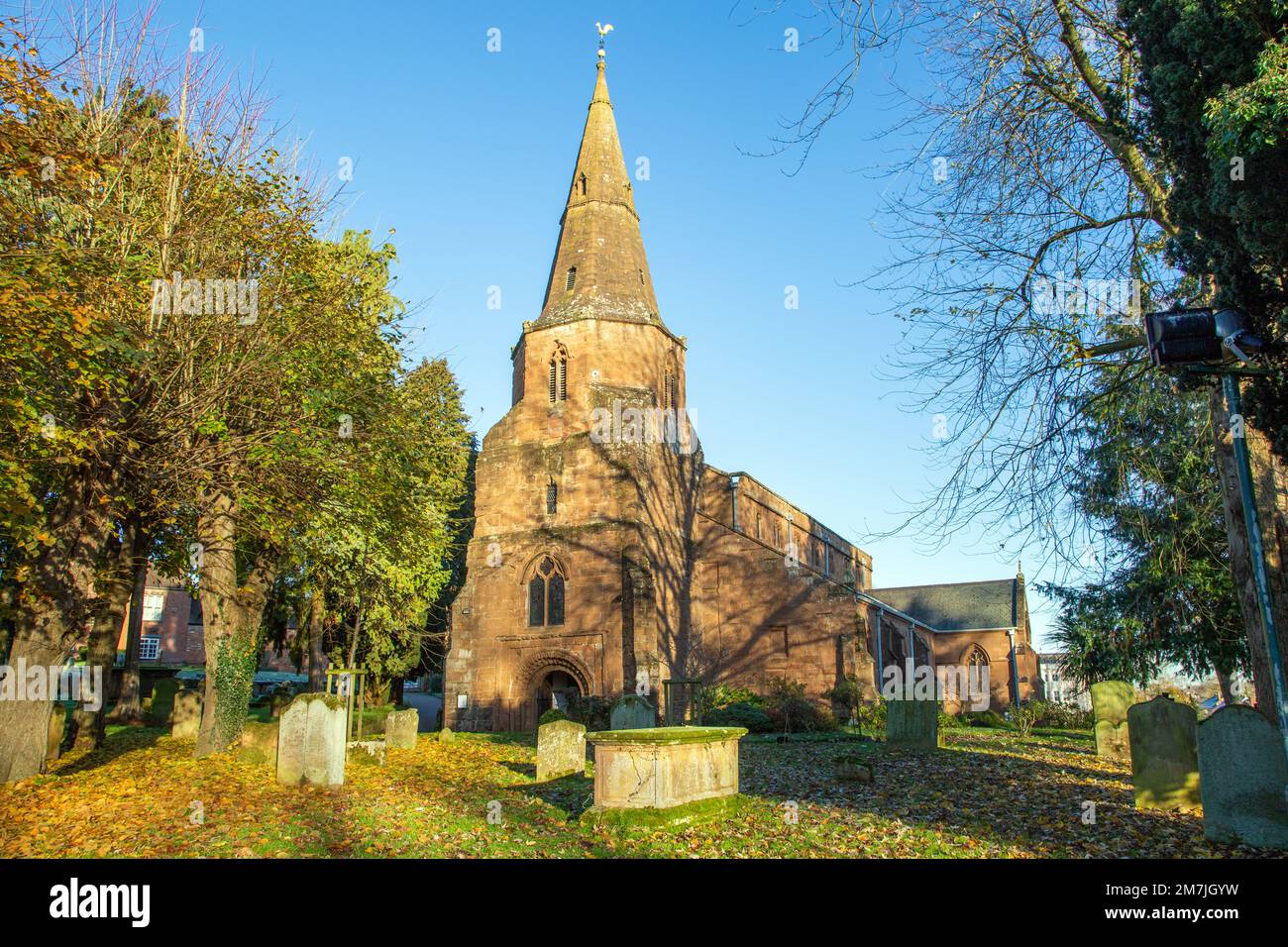
Abbey Fields, St Nicholas' Church, and Little Virginia in Old Kenilworth are all within a 10–15 minute walk and make good additions to a castle visit.
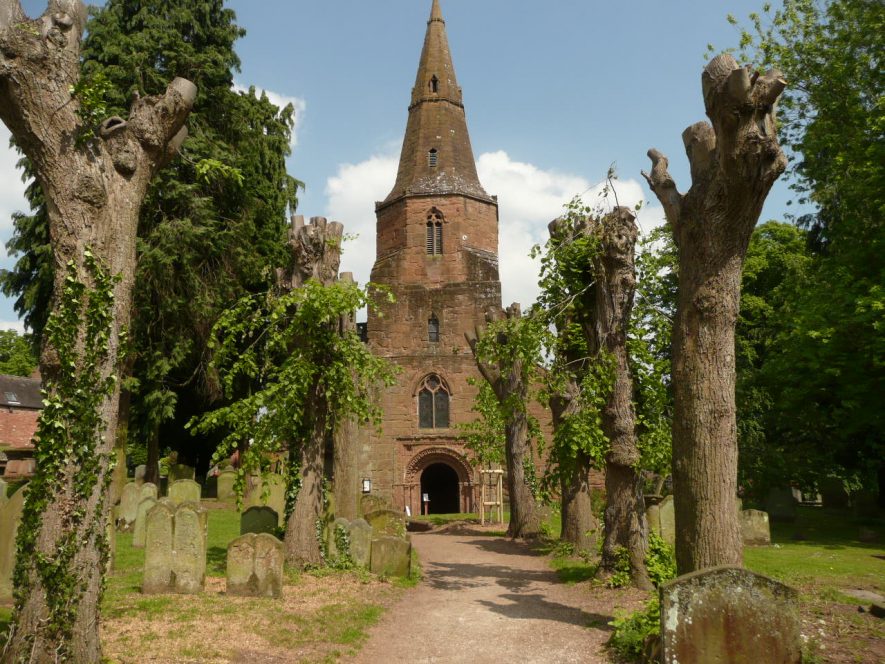
A large public park covering the grounds of the old Kenilworth Abbey, including the ruins of St Nicholas' Church and graveyard. It is open all day with no admission fee.
A parish church standing within Abbey Fields, incorporating remnants of the medieval abbey precinct. It offers a quieter historical counterpoint to the castle ruins.
A riverside area in Old Kenilworth often cited as the spot where Sir Walter Raleigh is said to have planted England's first potato. It makes a pleasant short riverside stroll.
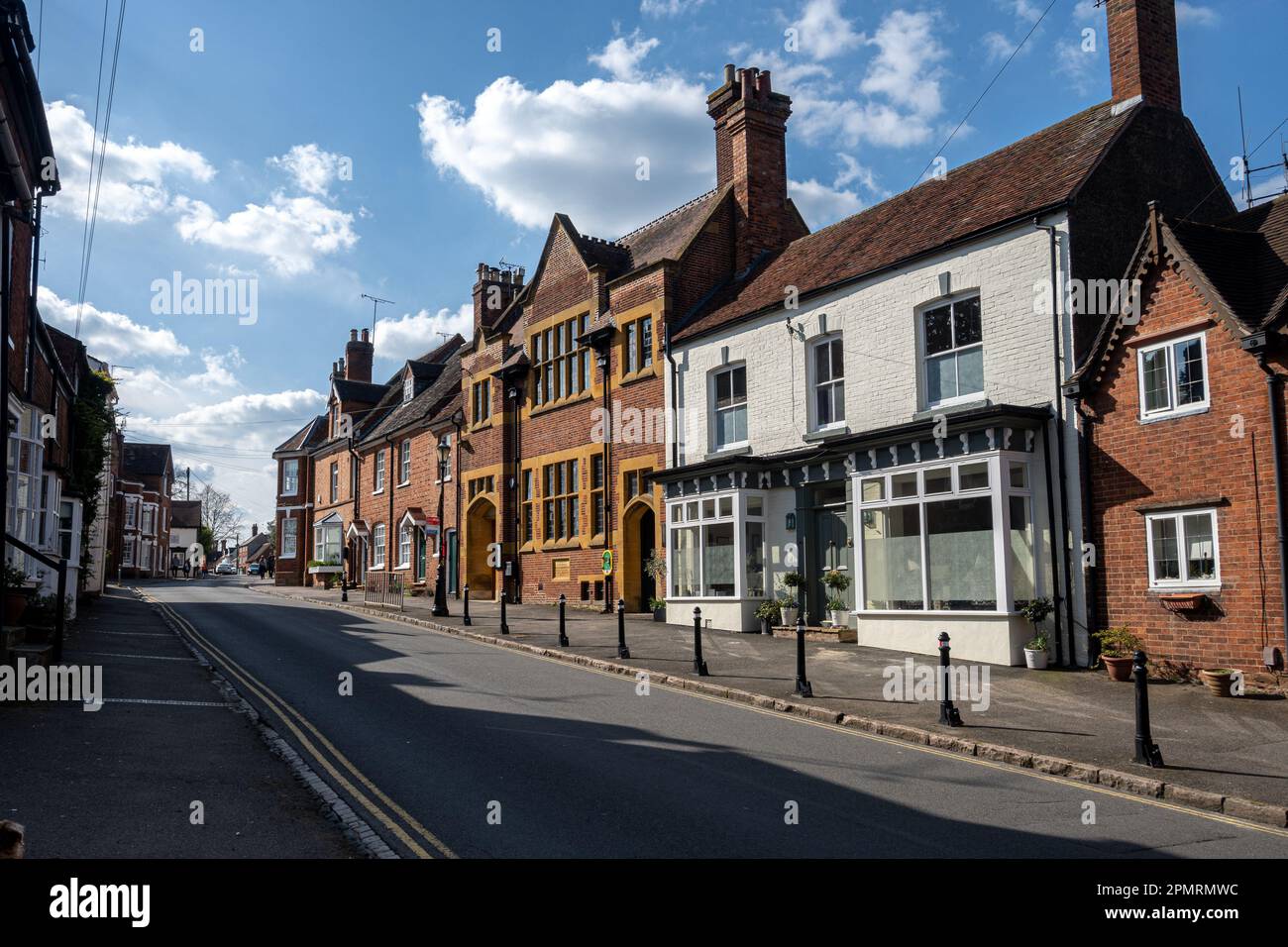
The historic high street area with independent shops, cafes, and Victorian and Georgian buildings, distinct from the castle grounds.
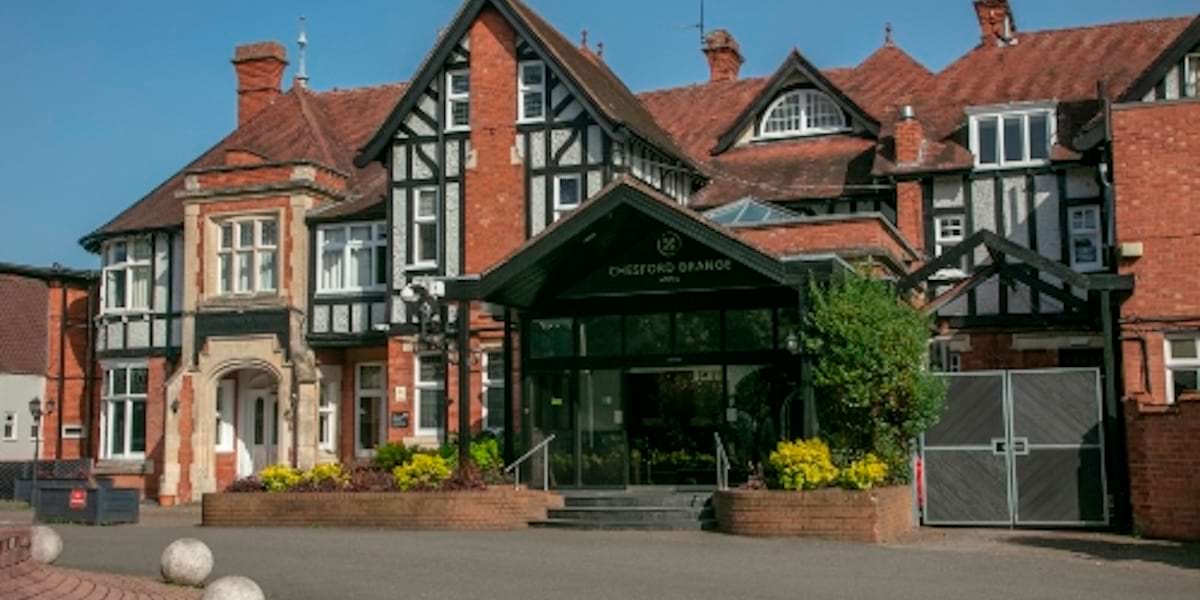
A cluster of independent hotels and guesthouses within easy reach of the castle gatehouse, suited to overnight stays without a car.
Boutique and historic coaching inns in nearby Warwick, convenient for combining a castle visit with Warwick's own old town.
Regency-era hotels and spa properties in Royal Leamington Spa, a short drive from Kenilworth.
Chain and budget hotels near Coventry city centre and railway station, a practical base for rail travelers.
Join thousands of happy travelers who have discovered this incredible experience
Book Your Experience Now